Straw Bale Construction For Farmhouse Dining Room With Exposed Concrete Floors 2025 Design
In 2025, the convergence of sustainable building practices, minimalist design, and technological innovation has redefined the concept of the modern farmhouse. One of the most compelling expressions of this evolution is the straw bale construction, particularly when implemented in the dining room, the heart of any farmhouse. This article explores the innovative blend of straw bale walls with the rugged elegance of exposed concrete floors, creating a dining space that is both aesthetically pleasing and environmentally responsible.
The Allure of Straw Bale Construction
Straw bale construction, a technique that dates back to the late 19th century, is experiencing a renaissance as builders and homeowners seek sustainable and energy-efficient alternatives to conventional building materials. The use of straw bales as structural elements offers a multitude of advantages:
- Sustainability: Straw is an agricultural byproduct, readily available and renewable. Utilizing it in construction diverts it from being burned or left to decompose, reducing greenhouse gas emissions.
- Insulation: Straw bales boast exceptional insulation properties, often exceeding those of traditional fiberglass or foam insulation. This translates to reduced heating and cooling costs, making homes more energy-efficient.
- Acoustic Performance: The dense nature of straw bales provides excellent soundproofing, creating a quiet and tranquil dining environment.
- Cost-Effectiveness: In many regions, straw bales can be more affordable than conventional building materials, especially when considering the long-term energy savings.
- Carbon Sequestration: Straw bales store carbon dioxide absorbed by the plants during their growth, effectively locking it away from the atmosphere.

Exposed Concrete Floors: A Modern Rustic Touch
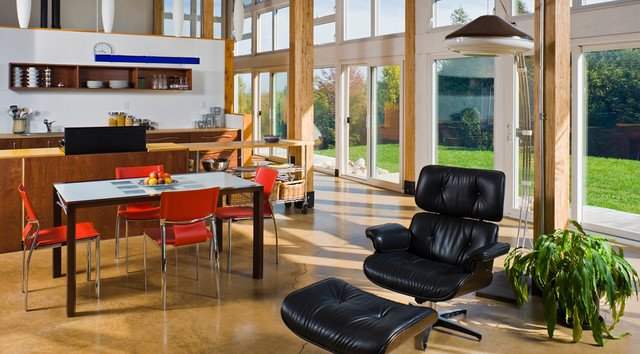
Complementing the warmth and texture of straw bale walls, exposed concrete floors bring a touch of modern rustic elegance to the farmhouse dining room. These floors offer a unique blend of durability, versatility, and aesthetic appeal:
- Durability: Concrete is renowned for its strength and longevity, making it an ideal flooring material for high-traffic areas like the dining room.
- Thermal Mass: Concrete’s thermal mass properties allow it to absorb and release heat, contributing to passive heating and cooling strategies. This is particularly beneficial when paired with the insulation of straw bale walls.
- Design Flexibility: Concrete can be stained, polished, stamped, or textured to achieve a wide range of aesthetic effects, from a sleek, modern look to a more rustic, textured finish.
- Low Maintenance: Once properly sealed, concrete floors are easy to clean and maintain, requiring minimal upkeep.
- Sustainability: Concrete can incorporate recycled materials, such as fly ash or slag, reducing its environmental impact.

The 2025 Design Vision: A Symbiotic Relationship
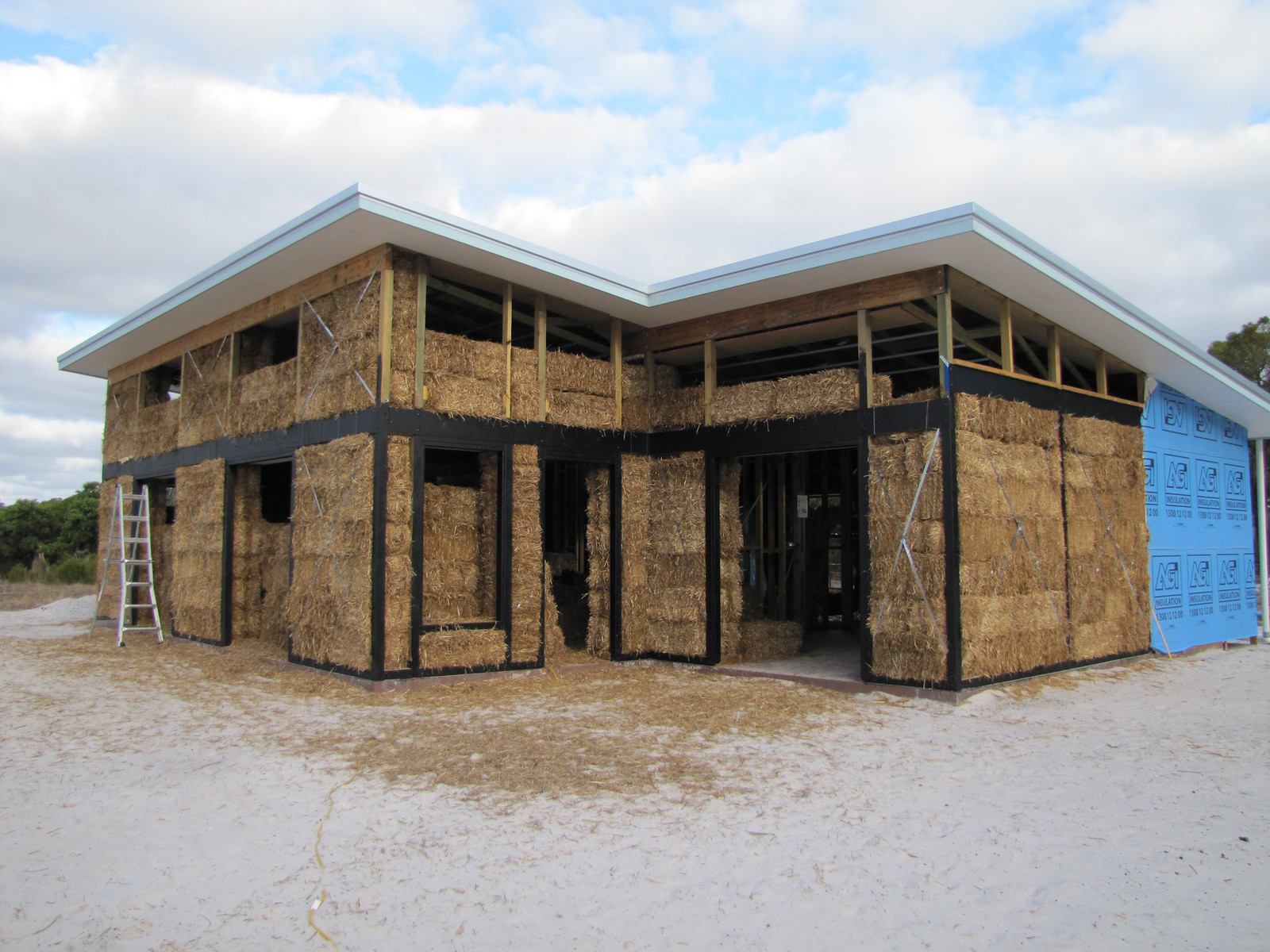
In 2025, the design of a farmhouse dining room using straw bale construction and exposed concrete floors goes beyond mere functionality; it becomes a statement of sustainable living and aesthetic harmony. Here’s how the design elements might converge:
- Open-Concept Layout: The dining room seamlessly integrates with the kitchen and living areas, creating a spacious and inviting gathering space for family and friends.
- Natural Light Optimization: Large, strategically placed windows and skylights maximize natural light, reducing the need for artificial lighting and enhancing the connection to the outdoors.
- Passive Solar Design: The orientation of the dining room is carefully considered to take advantage of passive solar heating in the winter and minimize heat gain in the summer.
- Smart Home Integration: Smart thermostats, lighting controls, and automated window shades optimize energy efficiency and create a comfortable dining environment.
- Biophilic Design Elements: Indoor plants, living walls, and water features bring nature indoors, enhancing the sense of well-being and creating a calming atmosphere.
- Sustainable Furnishings: Furniture made from reclaimed wood, recycled materials, and sustainably harvested timber complements the eco-friendly nature of the building.

Construction Techniques and Considerations
Building a straw bale farmhouse dining room with exposed concrete floors requires careful planning and attention to detail. Here are some key considerations:
- Structural Design: A qualified structural engineer should be consulted to ensure that the straw bale walls are properly designed and constructed to meet local building codes.
- Moisture Management: Moisture is the biggest enemy of straw bale construction. Proper detailing, vapor barriers, and ventilation are essential to prevent moisture buildup and mold growth.
- Plastering: Straw bale walls are typically plastered with a breathable, natural plaster, such as clay or lime plaster. This protects the bales from moisture and fire while allowing them to breathe.
- Concrete Floor Installation: The concrete floor should be properly insulated to prevent heat loss and moisture migration. A vapor barrier should be installed beneath the concrete slab.
- Sealing and Finishing: The concrete floor should be sealed with a durable, low-VOC sealant to protect it from stains and wear. Various finishing techniques, such as polishing, staining, or stamping, can be used to achieve the desired aesthetic.
Technological Integration for Enhanced Functionality
In 2025, technology plays a pivotal role in enhancing the functionality and sustainability of the straw bale farmhouse dining room:
- Smart Glass: Electrochromic glass windows automatically adjust their tint to control sunlight and heat gain, reducing the need for blinds or curtains.
- Energy Monitoring Systems: Real-time energy monitoring systems provide insights into energy consumption patterns, allowing homeowners to optimize energy usage and reduce costs.
- Automated Lighting Controls: Smart lighting systems automatically adjust lighting levels based on occupancy and ambient light, further reducing energy consumption.
- Integrated HVAC Systems: High-efficiency HVAC systems with smart controls optimize heating and cooling performance, ensuring a comfortable dining environment year-round.
- Water Conservation Technologies: Low-flow fixtures, rainwater harvesting systems, and greywater recycling systems reduce water consumption and promote water conservation.
Aesthetic Considerations: Blending Rustic Charm with Modern Sophistication
The aesthetic of the 2025 straw bale farmhouse dining room is a harmonious blend of rustic charm and modern sophistication:
- Natural Color Palette: Earthy tones, such as warm browns, muted greens, and soft grays, create a calming and inviting atmosphere.
- Textural Contrasts: The rough texture of the straw bale walls contrasts beautifully with the smooth, polished surface of the concrete floor, creating visual interest.
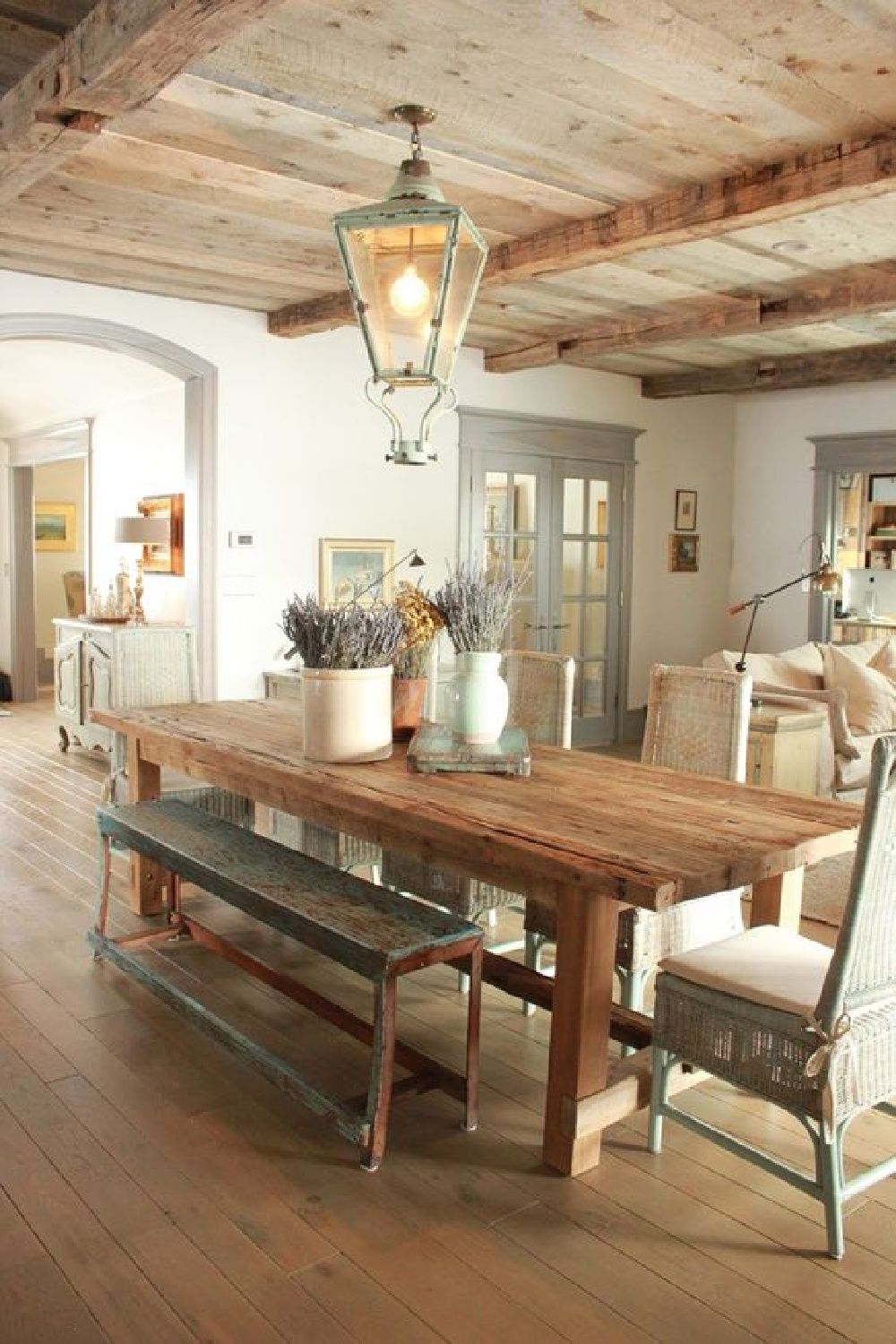
- Exposed Beams: Exposed wooden beams add a touch of rustic charm and highlight the structural integrity of the building.
- Minimalist Furnishings: Simple, functional furniture with clean lines complements the minimalist aesthetic of the space.
- Art and Decor: Carefully selected artwork and decor pieces add personality and character to the dining room.
- Lighting Design: Layered lighting, including ambient, task, and accent lighting, creates a warm and inviting atmosphere.
Challenges and Considerations
While straw bale construction offers numerous benefits, it also presents some challenges:
- Building Codes and Regulations: Building codes and regulations for straw bale construction may vary depending on the region. It’s important to consult with local building officials to ensure compliance.
- Insurance: Securing insurance for straw bale homes can be challenging, as some insurance companies may be unfamiliar with this type of construction.
- Pest Control: Straw bales can be susceptible to pests, such as rodents and insects. Proper detailing and pest control measures are essential to prevent infestations.
- Skilled Labor: Finding contractors with experience in straw bale construction can be difficult in some areas.
- Moisture Management: Moisture is the biggest threat to straw bale construction, so it’s crucial to implement proper moisture management strategies.
Future Trends in Straw Bale Construction
Looking ahead, straw bale construction is poised for continued growth and innovation:
- Prefabricated Straw Bale Panels: Prefabricated straw bale panels offer faster and more efficient construction.
- Bio-Based Materials: The use of other bio-based materials, such as hempcrete and mycelium, is becoming increasingly common in combination with straw bales.
- 3D-Printed Straw Bale Structures: 3D printing technology is being explored for the construction of straw bale homes, offering greater design flexibility and efficiency.
- Smart Straw Bale Construction: Sensors and monitoring systems are being integrated into straw bale walls to detect moisture, temperature, and structural integrity.
Conclusion: A Sustainable and Beautiful Future
The 2025 farmhouse dining room, constructed with straw bales and featuring exposed concrete floors, represents a paradigm shift in sustainable building design. By embracing natural materials, energy-efficient technologies, and biophilic design principles, homeowners can create spaces that are not only beautiful and functional but also environmentally responsible. As awareness of the environmental impact of conventional building practices grows, straw bale construction is poised to become an increasingly popular choice for those seeking a sustainable and healthy living environment. This approach offers a way to connect with nature, reduce our carbon footprint, and create a truly unique and inspiring living space for generations to come. The combination of the warmth of straw and the cool elegance of concrete creates a dining experience that is both grounding and uplifting, perfectly reflecting the values of a conscious and sustainable future.


Komentar
Posting Komentar