How To Unlock A Bedroom Door For Traditional Bedroom With Sliding Door 2025 Design
How To Unlock A Bedroom Door For A Traditional Bedroom With Sliding Door (2025 Design)
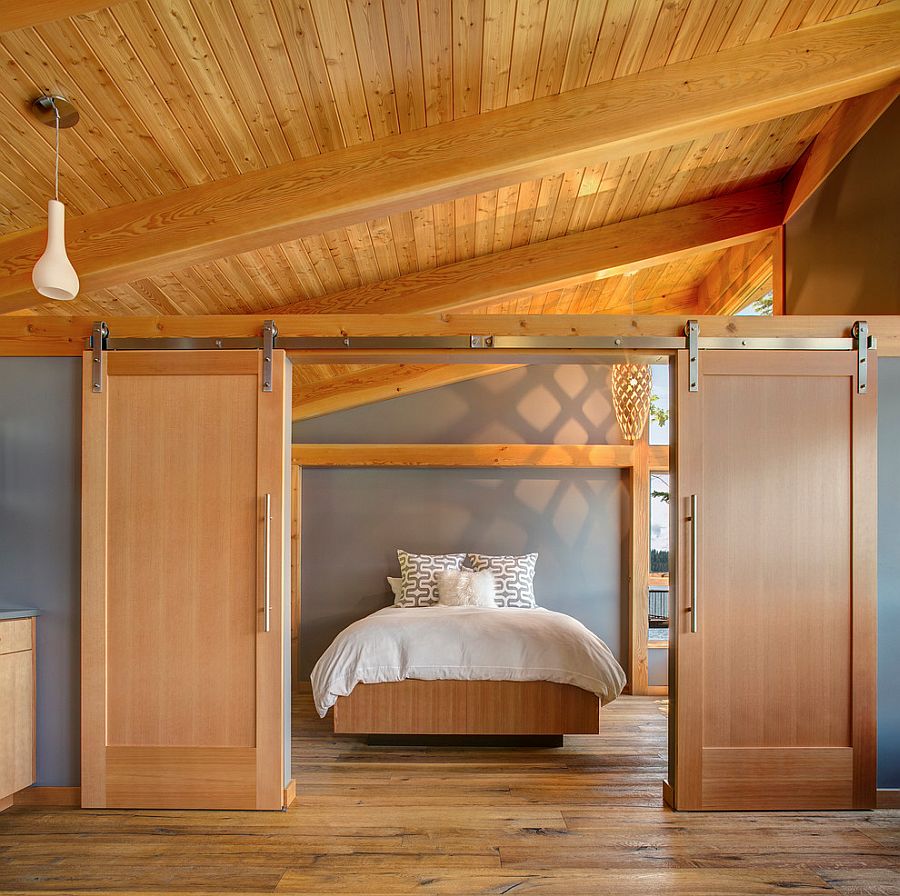
The allure of a traditional bedroom, even in the technologically advanced landscape of 2025, remains strong. The warmth, the craftsmanship, and the sense of timelessness are highly sought after. A common feature in such bedrooms, blending both aesthetics and space-saving functionality, is the sliding door. However, the mechanisms for locking and unlocking these doors might present challenges, especially in emergency situations or when keys are misplaced. This guide explores the various methods to unlock a bedroom door for a traditional bedroom with a sliding door, considering the potential technological advancements and security features prevalent in 2025.
Understanding the 2025 Sliding Door Landscape
Before diving into unlocking methods, it’s crucial to understand the likely features and mechanisms present in a 2025 traditional bedroom sliding door:
- Enhanced Security: Expect more sophisticated locking mechanisms than traditional latches. Biometric scanners (fingerprint or retinal), keypad entry, and smart home integration will be common, even in traditional-styled homes.
- Concealed Mechanisms: To maintain the traditional aesthetic, the locking mechanisms will likely be discreetly integrated into the door frame or the door itself, minimizing visual disruption. Think hidden panels, touch-sensitive surfaces, or voice-activated controls.
- Material Innovation: While wood will still be a dominant material, expect advancements in engineered wood and composite materials that offer greater durability, security, and resistance to warping or damage.
- Smart Home Integration: Integration with smart home systems will be standard. This allows for remote locking/unlocking, monitoring, and integration with security systems.
- Emergency Override: Recognizing the importance of safety, manufacturers will likely incorporate emergency override mechanisms for situations where the primary locking system fails or is inaccessible.
VIEW PRODUCT ADD TO CART

Common Locking Mechanisms in 2025 Traditional Sliding Doors
Understanding the type of lock you’re dealing with is the first step to unlocking it. Here are the most likely types of locks you’ll encounter in a 2025 traditional sliding bedroom door:
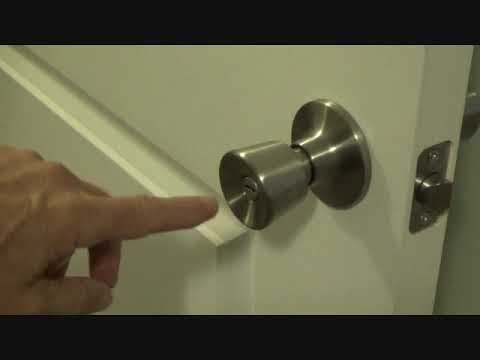
- Traditional Latch Lock: A simple, spring-loaded latch that engages with a strike plate on the door frame. While considered less secure, they might still be used in interior doors, especially in older homes or as a secondary locking mechanism.
- Hook Latch Lock: A hook-shaped latch that engages with a strike plate, providing a more secure hold than a traditional latch. This is a common upgrade for sliding doors.
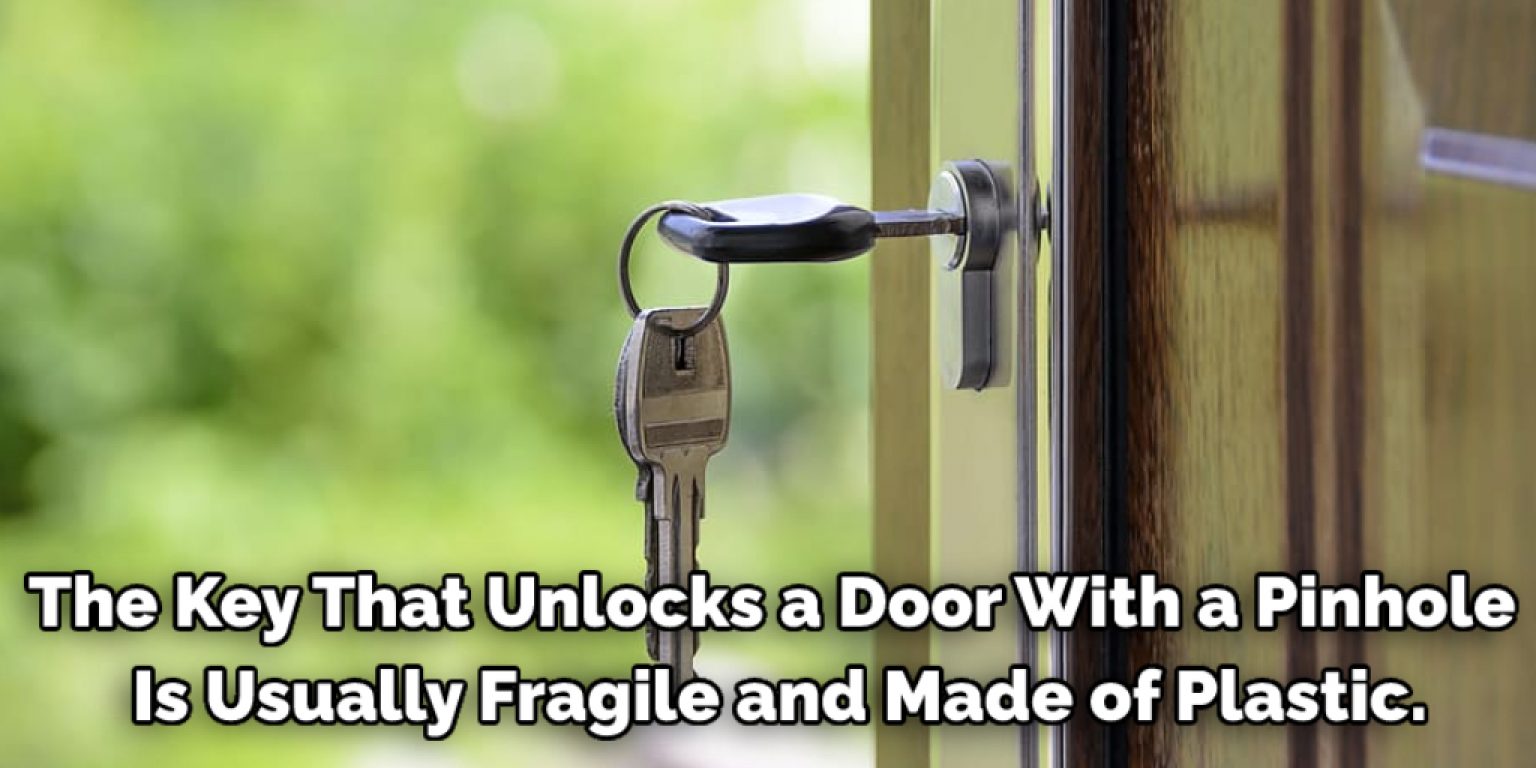
- Mortise Lock: A more robust lock that is installed into a pocket carved out of the door’s edge. These offer greater security and can incorporate various locking mechanisms, including keyed cylinders, deadbolts, and smart locks.
- Keypad Lock: A digital lock that requires a code to unlock. These are becoming increasingly popular due to their convenience and keyless operation.
- Biometric Lock: Utilizes fingerprint or retinal scanning for access. These offer a high level of security and convenience but can be susceptible to malfunction.
- Smart Lock: Connects to your home’s Wi-Fi network and can be controlled remotely via a smartphone app or voice assistant. These often integrate with other smart home devices and offer features like activity monitoring and temporary access codes.

Methods to Unlock a Sliding Bedroom Door (2025)
Here’s a comprehensive guide on how to unlock a sliding bedroom door, categorized by the type of locking mechanism:
1. Traditional Latch Lock:
* **Credit Card/Thin Card Method:** VIEW PRODUCT ADD TO CART * **How it Works:** This method relies on using a thin, flexible card to depress the latch and disengage it from the strike plate. * **Procedure:** Slide the card between the door and the frame, positioning it near the latch. Angle the card towards the latch and apply pressure while wiggling the door. The card should depress the latch, allowing you to slide the door open. * **Limitations:** This method only works on simple latch locks and is unlikely to be effective on more secure mechanisms.* **Bobby Pin/Paperclip Method:** * **How it Works:** Similar to the card method, a bobby pin or paperclip can be used to manipulate the latch. * **Procedure:** Bend the bobby pin or paperclip into a hook shape. Insert the hook into the gap between the door and the frame, aiming for the latch. Try to feel for the latch and manipulate it to disengage it from the strike plate. * **Limitations:** Requires some dexterity and patience. Not effective on more secure locks.
2. Hook Latch Lock:
* **Shimming:** * **How it Works:** Involves inserting a thin, rigid object (like a thin piece of metal or a plastic shim) between the door and the frame to push the hook back. * **Procedure:** Insert the shim above or below the hook latch, aiming to slide it between the hook and the strike plate. Apply pressure and try to push the hook back into the door. * **Limitations:** May damage the door frame or the latch if excessive force is used.* **Bypass Tools (Lock Picks):** * **How it Works:** Lock picks are specialized tools designed to manipulate the internal mechanisms of a lock. (Note: Owning and using lock picks may be illegal in some jurisdictions without proper authorization.) * **Procedure:** This requires skill and knowledge of lock picking. A tension wrench is used to apply pressure to the lock cylinder, while a pick is used to manipulate the pins until the lock opens. * **Limitations:** Requires specialized skills and tools. Not recommended unless you are a trained locksmith or have a legitimate reason to unlock the door.3. Mortise Lock (Keyed Cylinder):
* **Lost Key Replacement:** * **Procedure:** Contact a locksmith. They can often create a new key based on the lock's serial number or by disassembling the lock. If you have a spare key hidden somewhere, now is the time to find it. * **Limitations:** Requires professional assistance and may be costly.* **Lock Picking (Advanced):** * **How it Works:** Similar to picking a regular pin tumbler lock, but mortise locks can be more complex. * **Procedure:** Requires specialized lock picks and a thorough understanding of mortise lock mechanisms. * **Limitations:** Very difficult and requires advanced skills.* **Drilling (Last Resort):** * **How it Works:** Involves drilling through the lock cylinder to destroy the internal mechanisms. * **Procedure:** This should only be attempted as a last resort, as it will damage the lock. Use a drill bit appropriate for the lock's material (usually metal). Drill into the cylinder, starting with a small bit and gradually increasing the size. * **Limitations:** Destroys the lock and requires replacement. Potentially dangerous if not done carefully.4. Keypad Lock:
* **Forgotten Code:** * **Procedure:** Consult the manufacturer's instructions for resetting the lock. Many keypad locks have a master code or a reset button located on the interior side of the door. Some smart locks may allow you to reset the code through a connected app. * **Limitations:** Requires access to the manufacturer's instructions or the connected app.* **Battery Failure:** * **Procedure:** Most keypad locks have a low-battery indicator. Replace the batteries promptly. Some models have a temporary power supply input (e.g., a 9V battery terminal) that allows you to provide temporary power to unlock the door. * **Limitations:** Requires having replacement batteries or a compatible power source.* **Hacking (Highly Unlikely but Theoretically Possible in 2025):** * **How it Works:** Exploiting vulnerabilities in the lock's software or hardware to bypass the security. * **Procedure:** Highly complex and requires advanced technical skills. * **Limitations:** Extremely difficult and potentially illegal. Not recommended.5. Biometric Lock:
* **Fingerprint Recognition Failure:** * **Procedure:** Ensure your finger is clean and dry. Try a different finger. Most biometric locks allow you to store multiple fingerprints. * **Limitations:** Can be affected by moisture, dirt, or injury to the finger.* **Retinal Scan Failure:** * **Procedure:** Ensure proper lighting and that your eye is properly aligned with the scanner. * **Limitations:** Can be affected by eye conditions or lighting.* **Emergency Override (Physical Key or Keypad):** * **Procedure:** Most biometric locks have a backup physical key or a keypad for emergency access. * **Limitations:** Requires having the key or knowing the backup code.* **System Malfunction:** * **Procedure:** Consult the manufacturer's instructions for troubleshooting. Contact a qualified technician if the lock is malfunctioning. * **Limitations:** Requires professional assistance.6. Smart Lock:
* **Smartphone App Issues:** * **Procedure:** Ensure your smartphone is connected to the internet and that the app is up-to-date. Try restarting the app or your phone. * **Limitations:** Requires a functioning smartphone and internet connection.* **Wi-Fi Connectivity Problems:** * **Procedure:** Check your Wi-Fi router and ensure it is functioning properly. Restart the router if necessary. * **Limitations:** Requires a stable Wi-Fi connection.* **Forgotten Password:** * **Procedure:** Use the "forgot password" feature in the app to reset your password. * **Limitations:** Requires access to the email address associated with the account.* **Emergency Override (Physical Key or Keypad):** * **Procedure:** Most smart locks have a backup physical key or a keypad for emergency access. * **Limitations:** Requires having the key or knowing the backup code.* **Hacking (Increased Risk in 2025):** * **How it Works:** Exploiting vulnerabilities in the lock's software or network connection. * **Procedure:** Highly complex and requires advanced technical skills. Smart locks in 2025 will likely have robust security features to mitigate this risk, including encryption and multi-factor authentication. * **Limitations:** Extremely difficult and potentially illegal.General Tips and Precautions:
- Safety First: Always prioritize safety. If you are unsure about any of these methods, contact a qualified locksmith.
- Avoid Damage: Be careful not to damage the door, frame, or locking mechanism. Use gentle pressure and avoid excessive force.
- Legal Considerations: Be aware of the legal implications of picking locks. In some jurisdictions, it is illegal to pick locks without proper authorization.
- Call a Professional: If you are unable to unlock the door using these methods, contact a qualified locksmith.
- Prevention is Key: Regularly maintain your locks and ensure that you have spare keys or backup codes readily available. Consider installing a more secure locking mechanism if you are concerned about security.
- Emergency Planning: In 2025, ensure your smart home system includes emergency protocols. This could involve automatic unlocking of doors in the event of a fire or other emergency.
Conclusion:
Unlocking a bedroom door with a sliding door in a traditional-style home in 2025 will require a blend of traditional techniques and an understanding of modern technology. By understanding the types of locking mechanisms likely to be in use and following the appropriate methods, you can increase your chances of successfully unlocking the door without causing damage. However, remember to prioritize safety, respect the law, and seek professional assistance when needed. The integration of smart home technology will undoubtedly offer convenience and security, but it also introduces new challenges that require careful consideration and proactive planning. The key is to balance the traditional aesthetic with the technological advancements of 2025 to create a safe, secure, and functional living space.


Komentar
Posting Komentar